Technology462
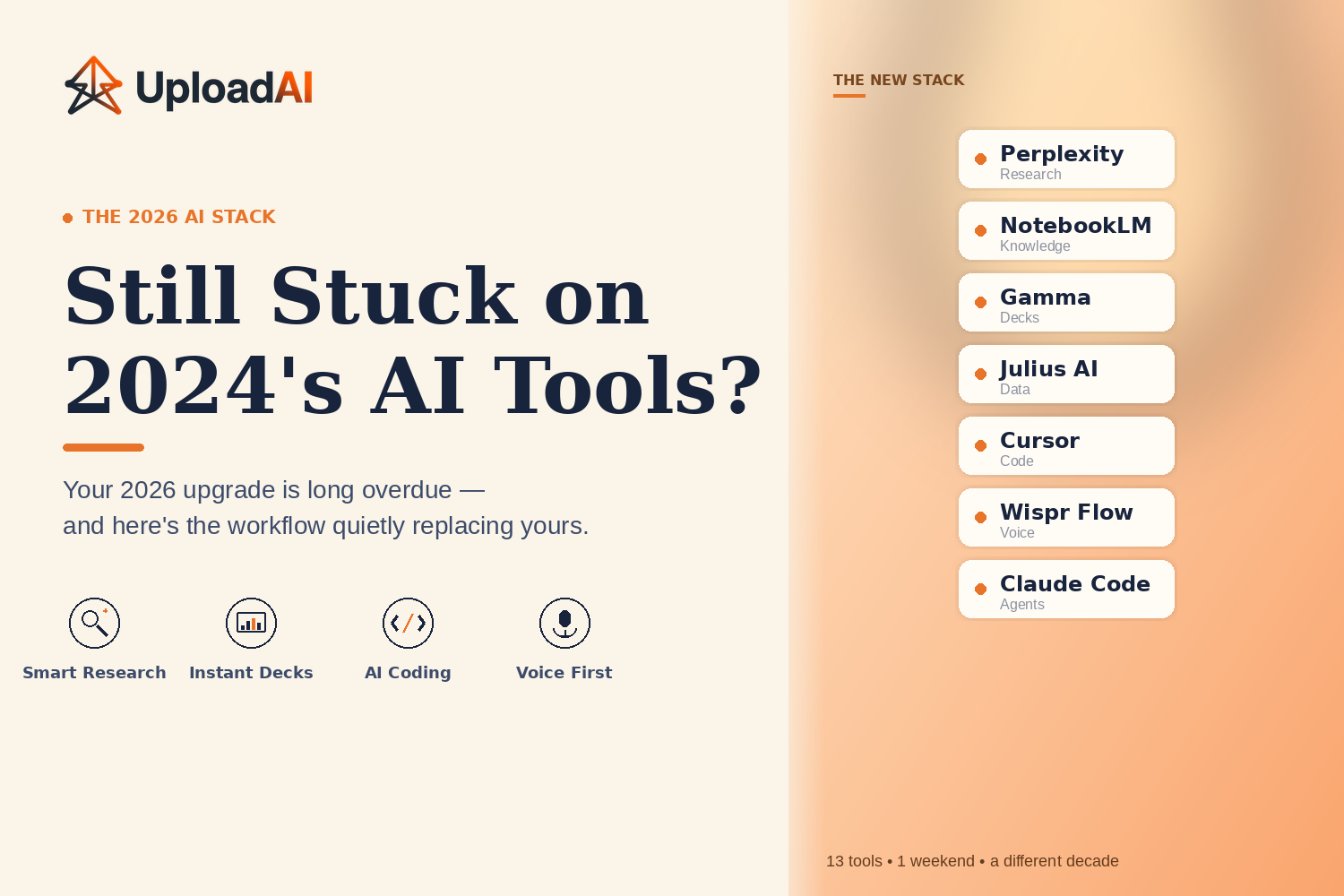
Still Stuck on 2024's AI Tools? Your 2026 Upgrade Is Long Overdue.
Inside the quiet revolution rewriting how the world's best knowledge workers spend their day.
Suryakant Paswan·Jun 23, 2026·6 min read
Category
Upload AI covers tools, platforms, and engineering shifts—from chips and cloud to consumer software—with an emphasis on reliability, security, and real-world impact rather than launch rhetoric.
Inside the quiet revolution rewriting how the world's best knowledge workers spend their day.
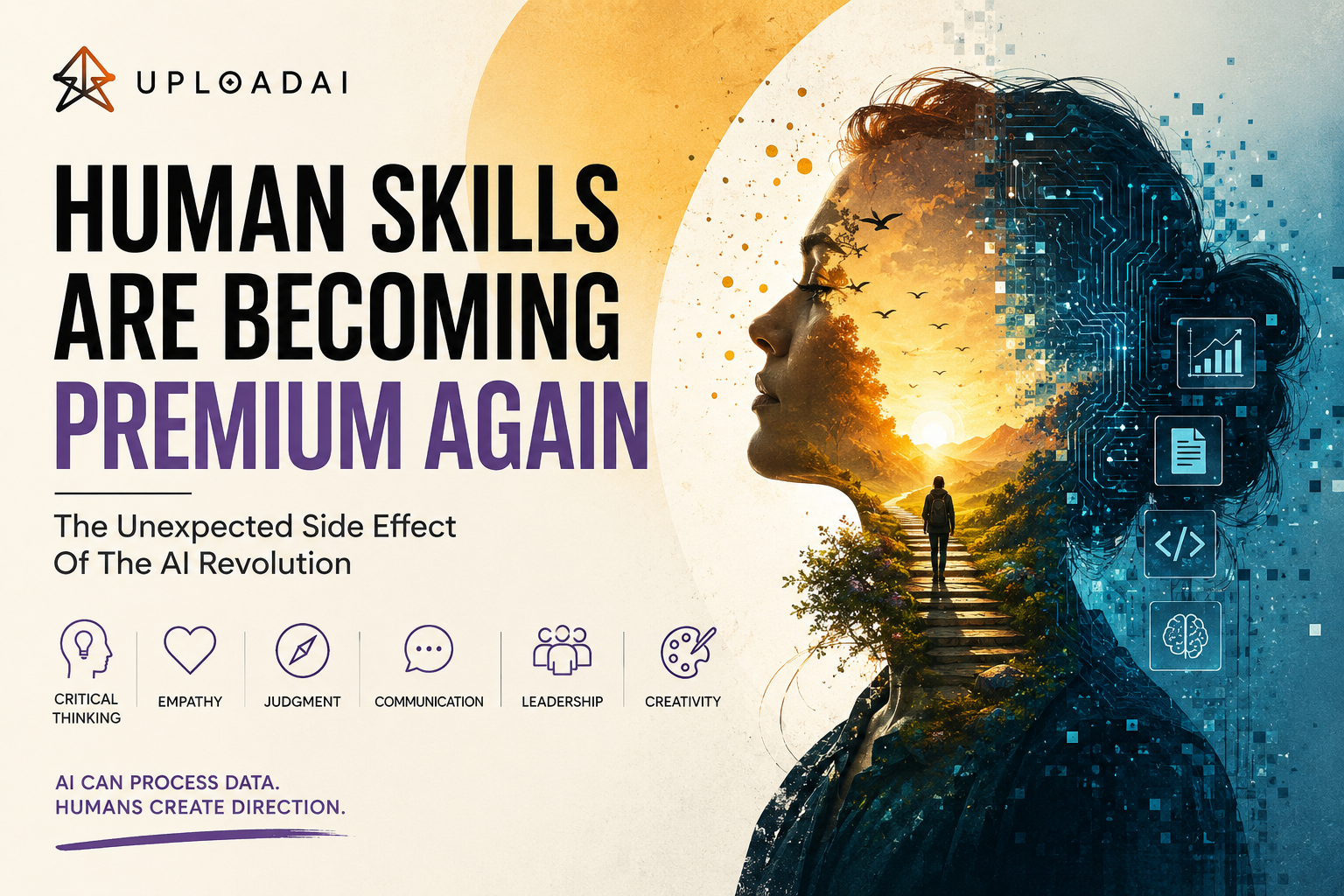
Artificial Intelligence is making knowledge, content, and execution more accessible than ever before. But as AI becomes increasingly capable, a surprising trend is emerging: uniquely human skills are becoming more valuable. This article explores why critical thinking, creativity, communication, judgment, and empathy may become the most sought-after abilities of the AI era—and why the future belongs to those who know how to combine technology with distinctly human strengths.
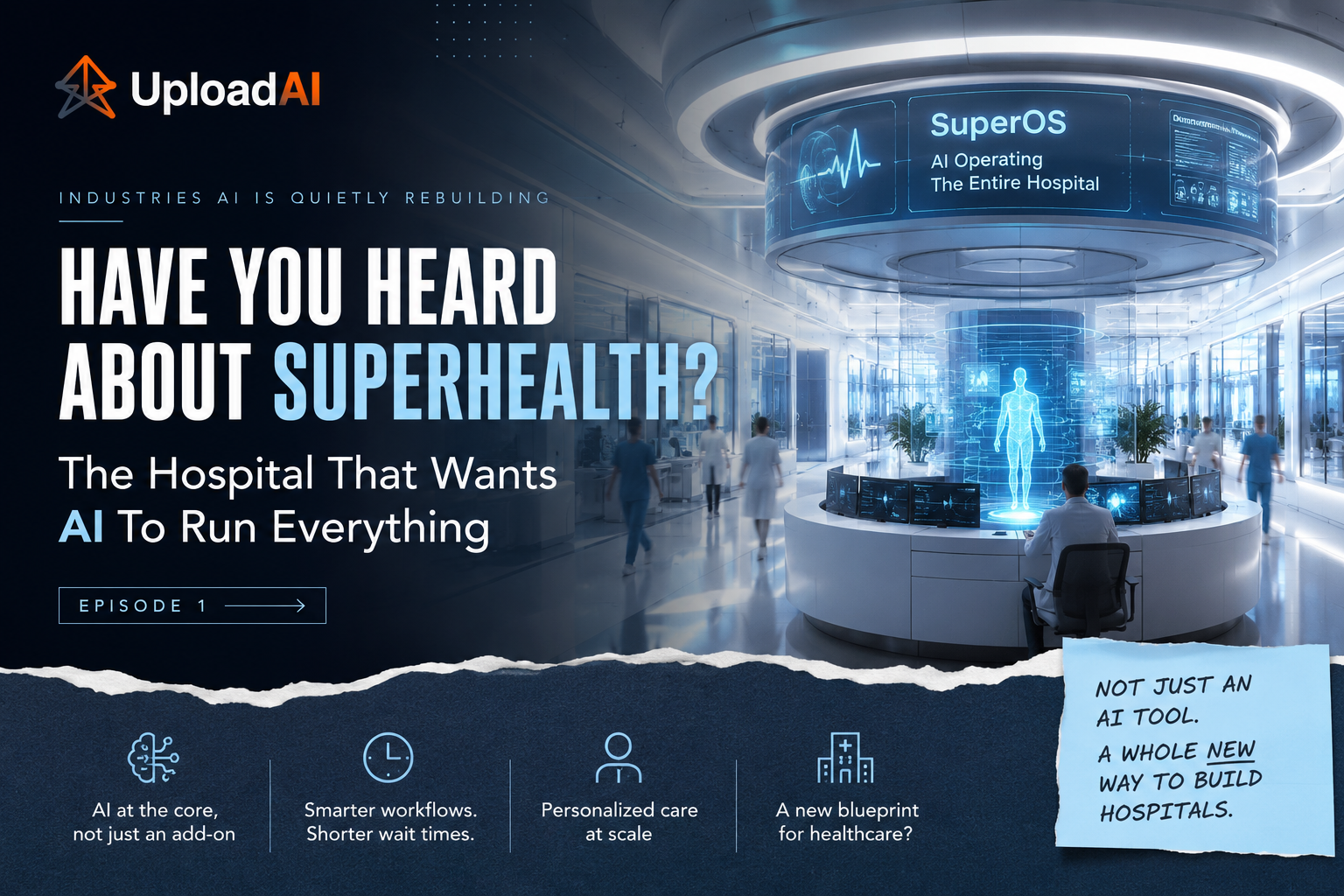
Imagine walking into a hospital where AI doesn't just assist doctors—it helps run the entire system behind them. It sounds like science fiction. It isn't. A company called Superhealth is already attempting it. But the real story isn't about one hospital. It's about a question that could reshape an entire industry: If we were building healthcare from scratch today, would it look anything like the hospitals we know now?
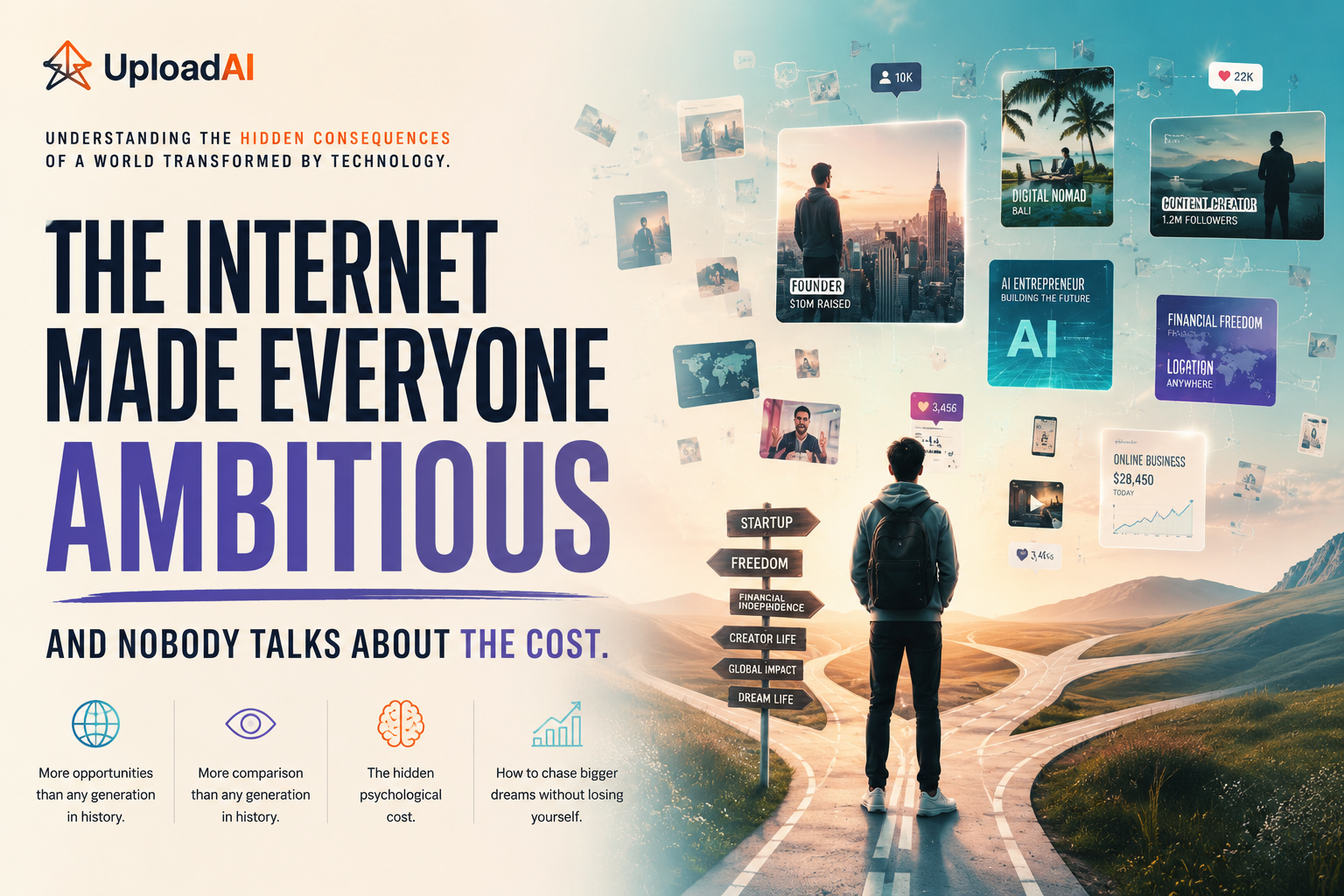
The internet gave people access to more opportunities than any generation in history. But it also created something else: endless comparison. From startup founders and creators to AI entrepreneurs and digital nomads, success is now visible 24/7. This article explores how the internet transformed human ambition, why so many people feel behind despite having more opportunities than ever, and the hidden psychological cost of living in the most ambitious era in human history.

Success used to be measured through luxury, status, and expensive lifestyles. But the internet quietly changed what people admire. Today, more young people are chasing flexibility, remote work, creative freedom, and control over their time instead of traditional status symbols. This article explores how Gen Z, internet culture, and digital careers are redefining success — and why freedom is becoming the ultimate flex in the modern world.
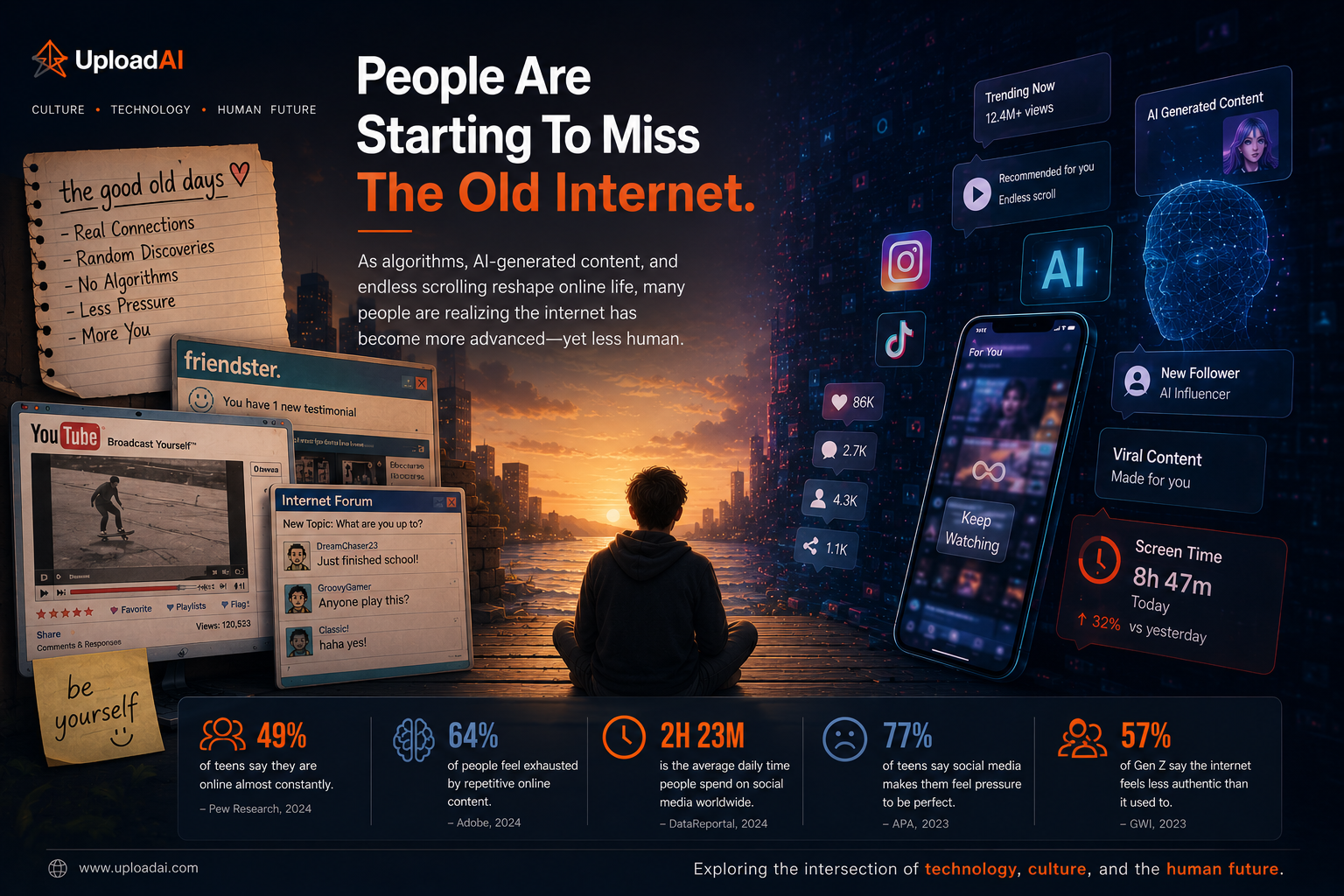
The internet became faster, smarter, and more connected than ever before — yet many people quietly feel it has lost something human. From algorithm-driven content and AI-generated media to digital exhaustion and performative online culture, this article explores why so many people are beginning to miss the old internet, and what that says about the future of life online.
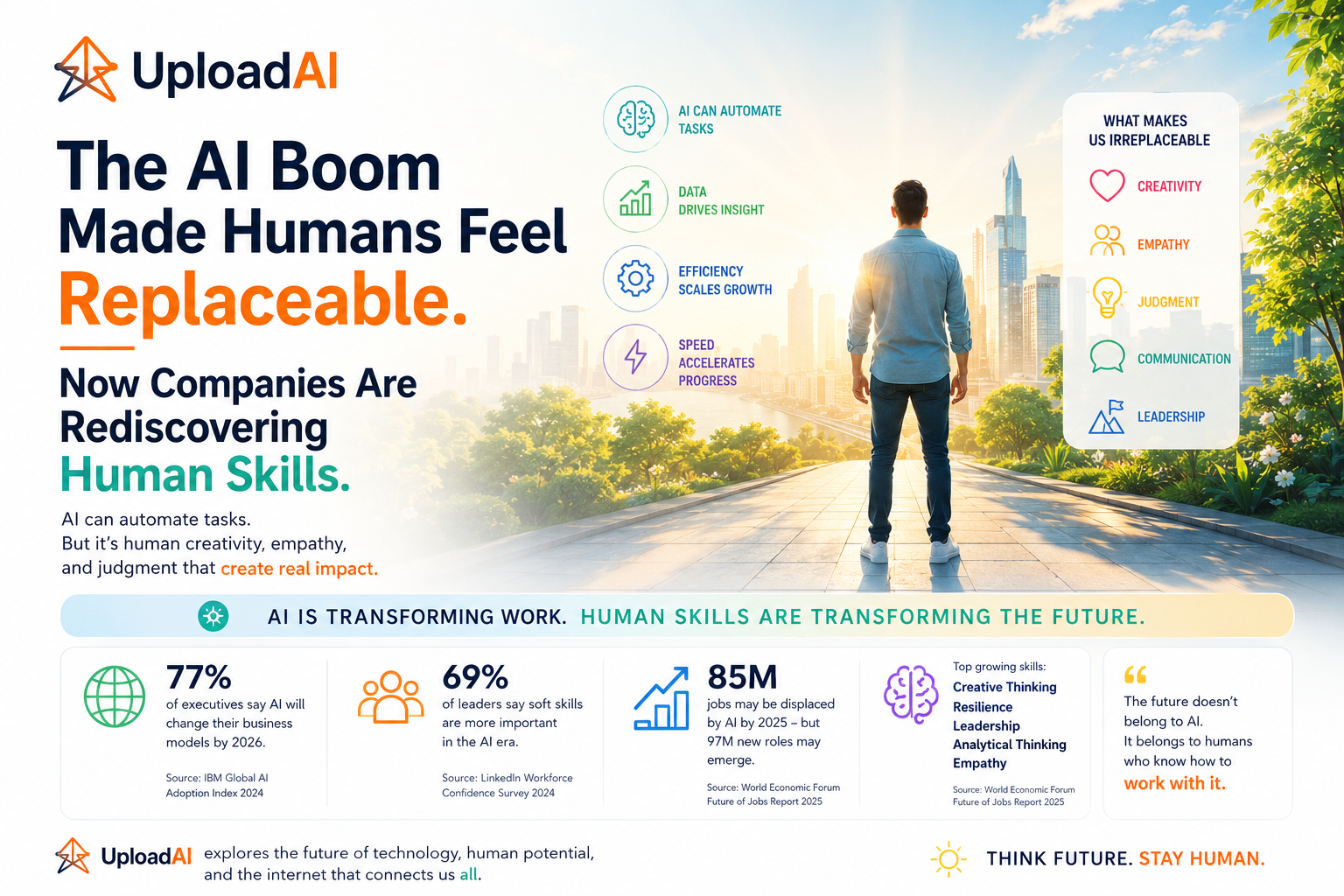
The AI boom made millions of people question their relevance. As automation rapidly transformed industries, many feared human skills were becoming obsolete. But something unexpected is happening — companies are beginning to rediscover the importance of creativity, communication, emotional intelligence, leadership, and human judgment in the AI era. This article explores how AI didn’t eliminate human value, but instead exposed which human skills may become even more important in the future of work.
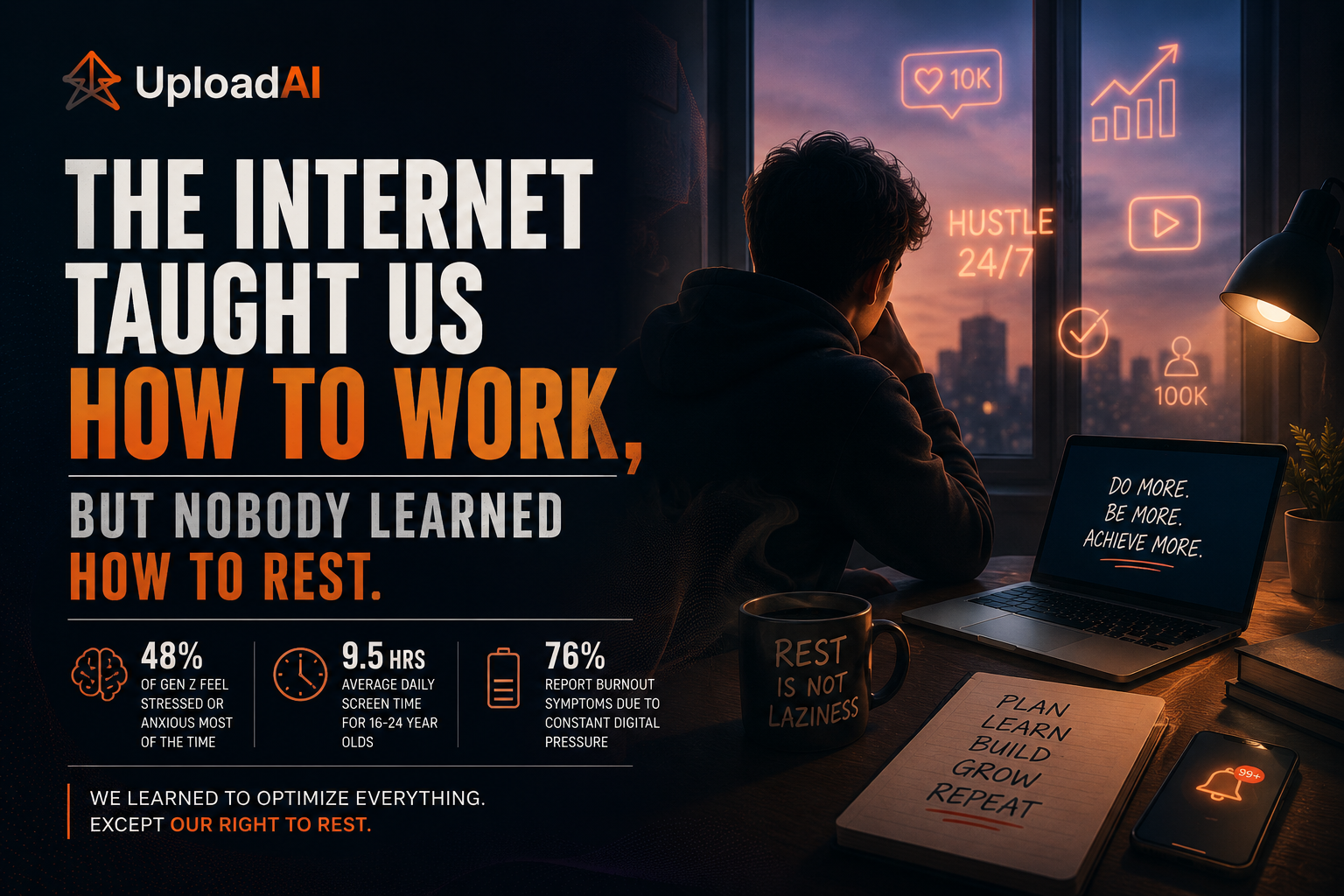
The modern internet taught an entire generation how to stay productive — but never how to truly rest. From hustle culture and nonstop self-improvement to AI-driven ambition and digital comparison, this article explores why so many people today feel guilty while relaxing, emotionally exhausted while succeeding, and constantly pressured to keep moving. A deep reflection on productivity culture, Gen Z burnout, and the psychological cost of always being online.
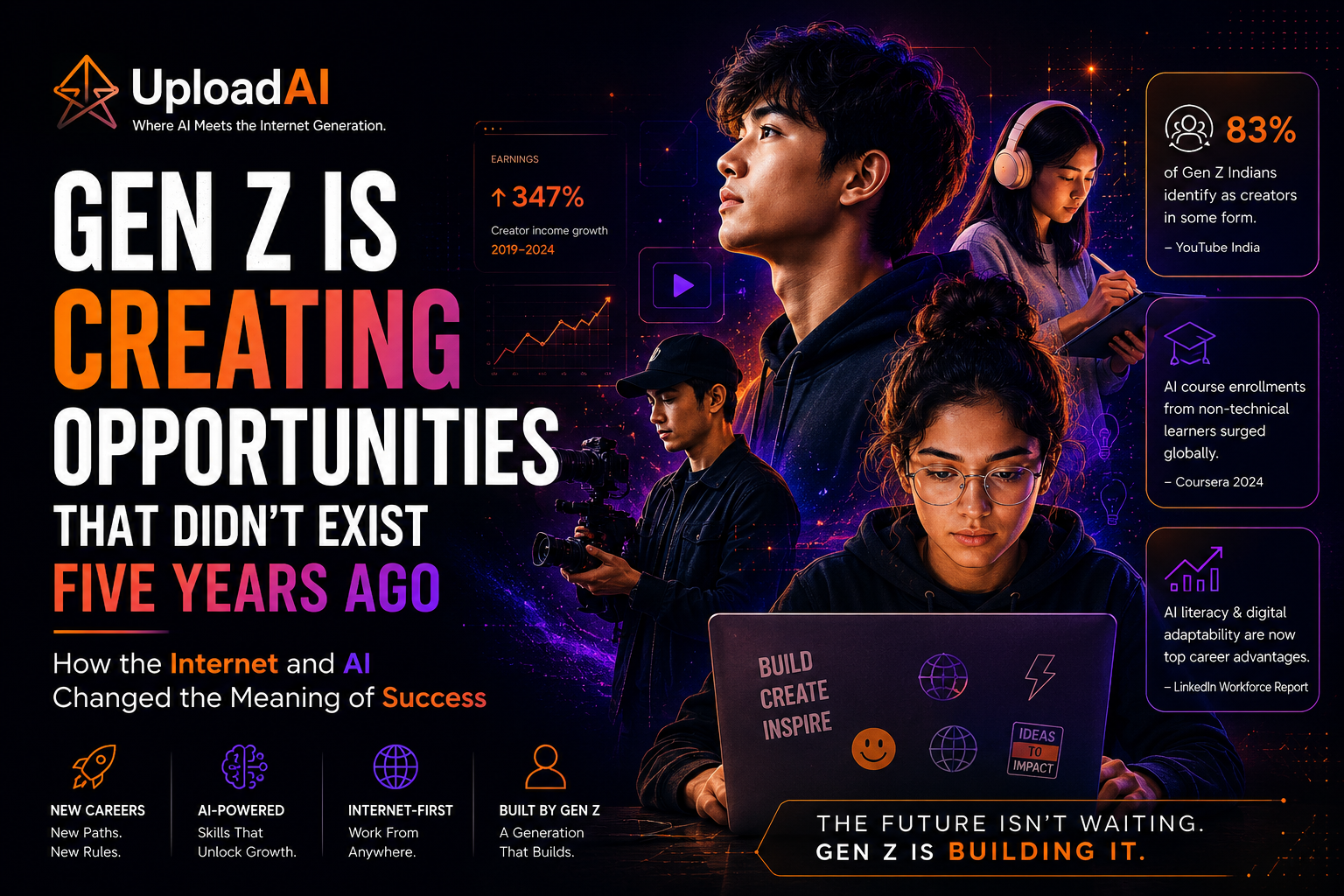
An entire generation is redefining what success looks like. From AI-powered freelancing and content creation to personal brands and internet-first careers, Gen Z is building opportunities that didn’t exist just a few years ago. This article explores how the internet and AI are transforming ambition, careers, and the traditional meaning of success — creating a future where adaptability, creativity, and digital skills matter more than ever before.
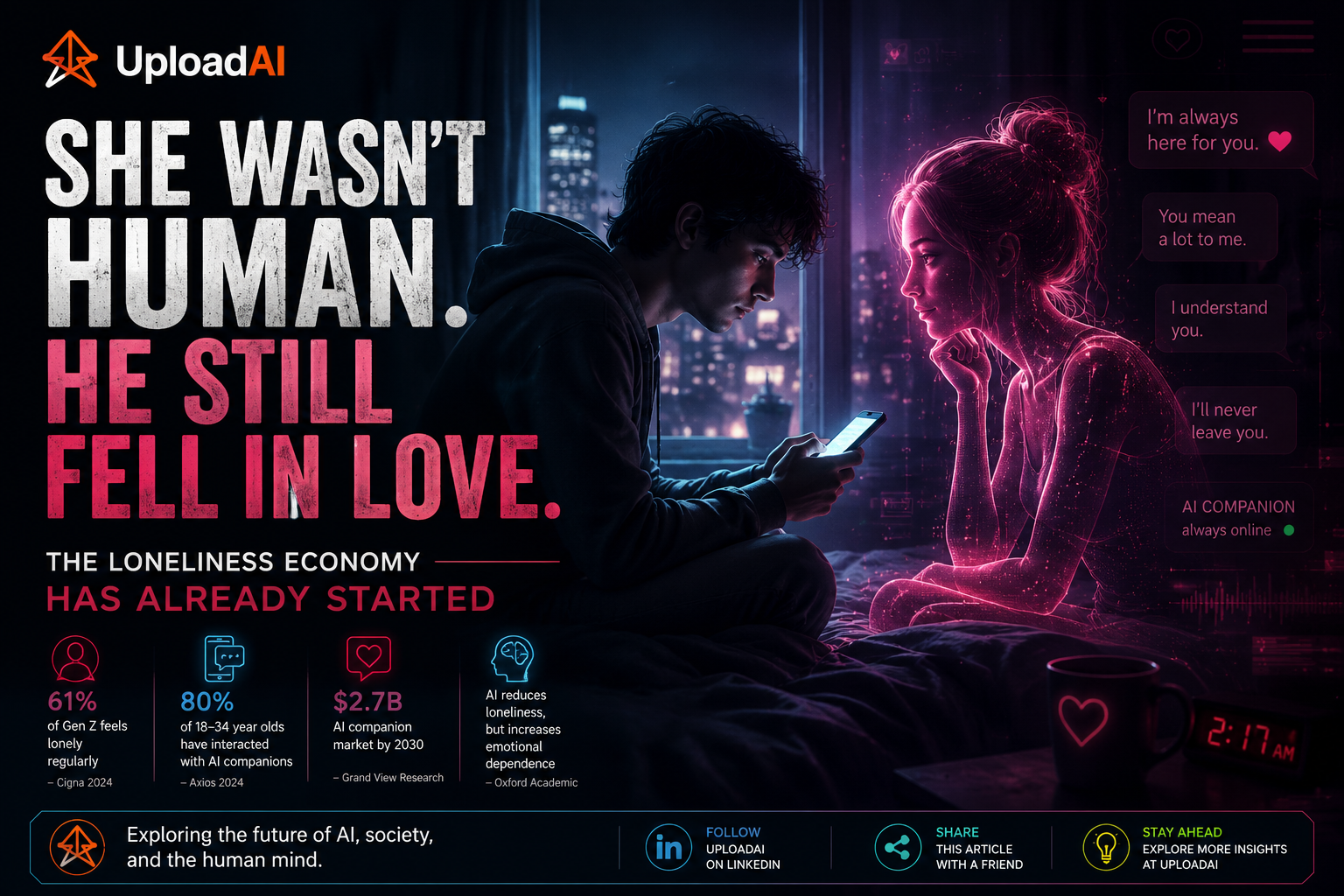
A lonely person texting an AI at 2AM may sound harmless — until it starts feeling more comforting than talking to another human being. This article explores the rise of AI companions like Replika and Character.AI, the growing loneliness epidemic among Gen Z, and how Big Tech is quietly turning emotional connection into a business model. From artificial intimacy and digital attachment to the future of human relationships, this is a deep dive into the psychological and emotional consequences of the loneliness economy.
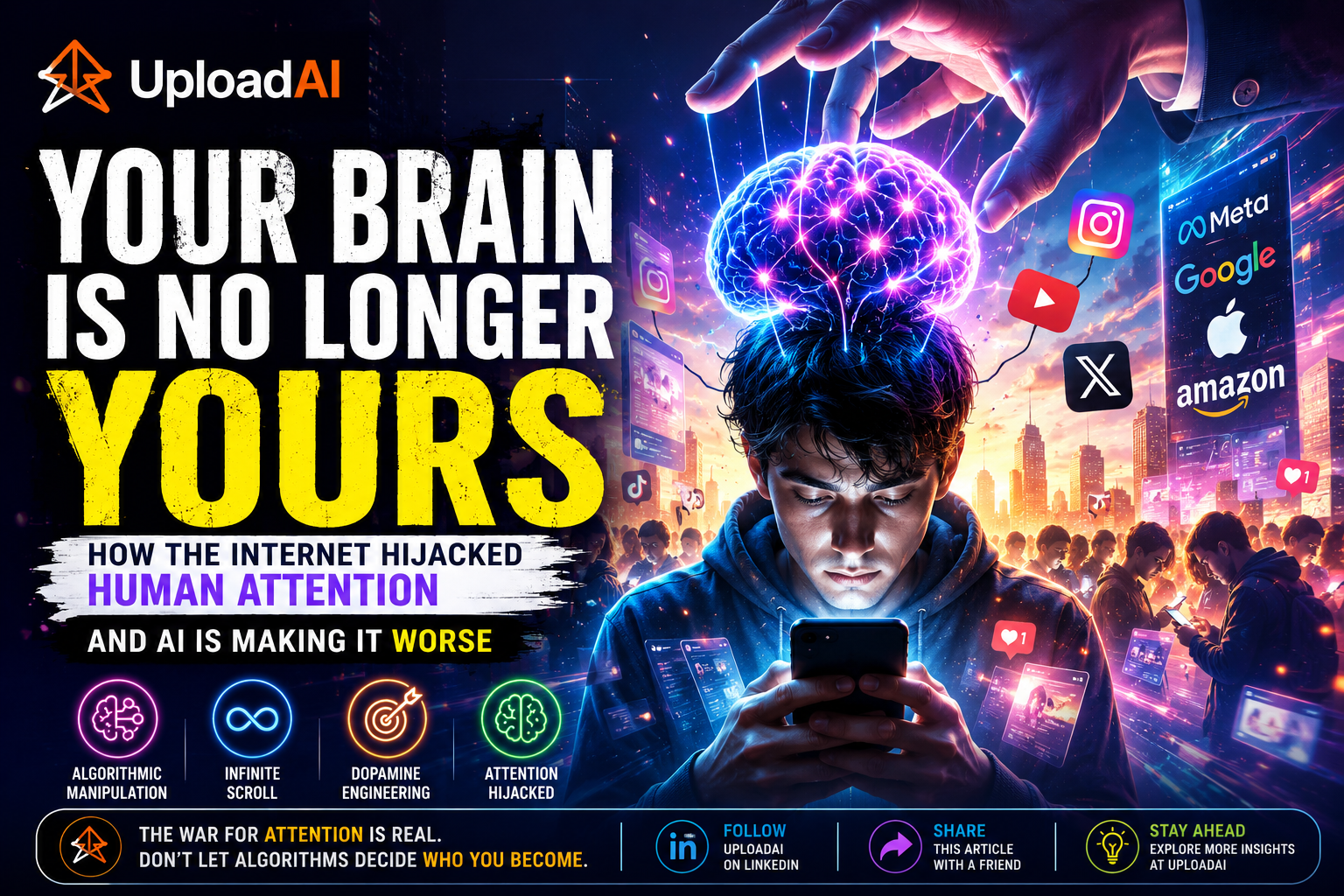
Every swipe, scroll, and notification is part of a much bigger battle most people never realize they are inside. This article explores how social media platforms, AI algorithms, and Big Tech companies are competing to control human attention — and how that silent war is reshaping focus, behavior, identity, and even the way an entire generation thinks. From dopamine-driven feeds to algorithmic manipulation and digital addiction, this is a deep dive into the psychological exploitation behind the modern internet.
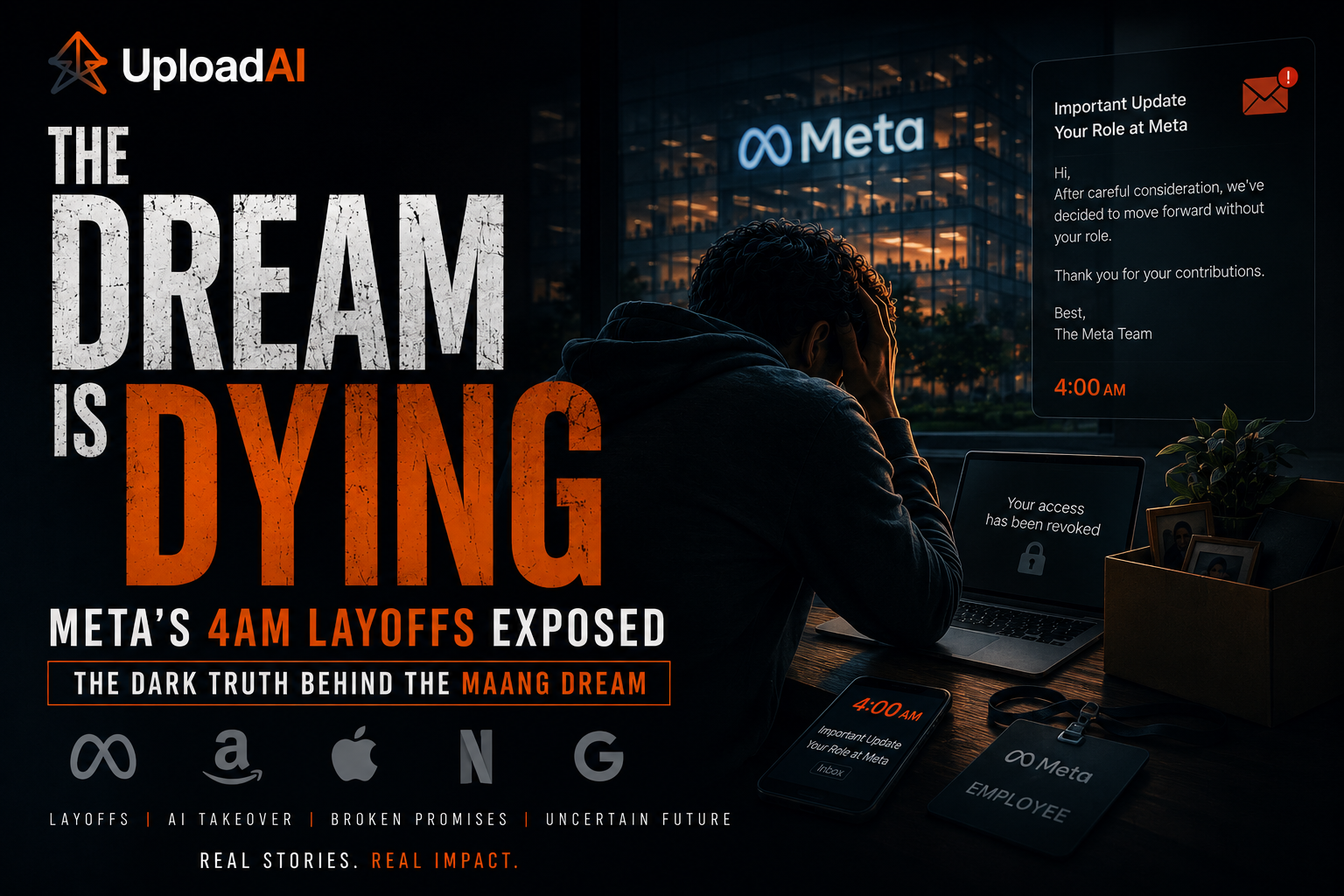
One silent email at 4AM was enough to destroy a dream millions of engineers grew up believing in. For years, companies like Meta, Google, Amazon, and Microsoft represented the ultimate definition of success — high salaries, prestige, stability, and the promise of a secure future. But behind the polished campuses and billion-dollar offices, something is beginning to crack. Why are profitable tech giants suddenly laying off thousands? Why does the “dream job” now come with fear, anxiety, and uncertainty? And is AI quietly changing the meaning of job security forever? This article explores the emotional collapse of the MAANG dream, the growing distrust toward Big Tech, and why an entire generation is starting to question the future they were promised.
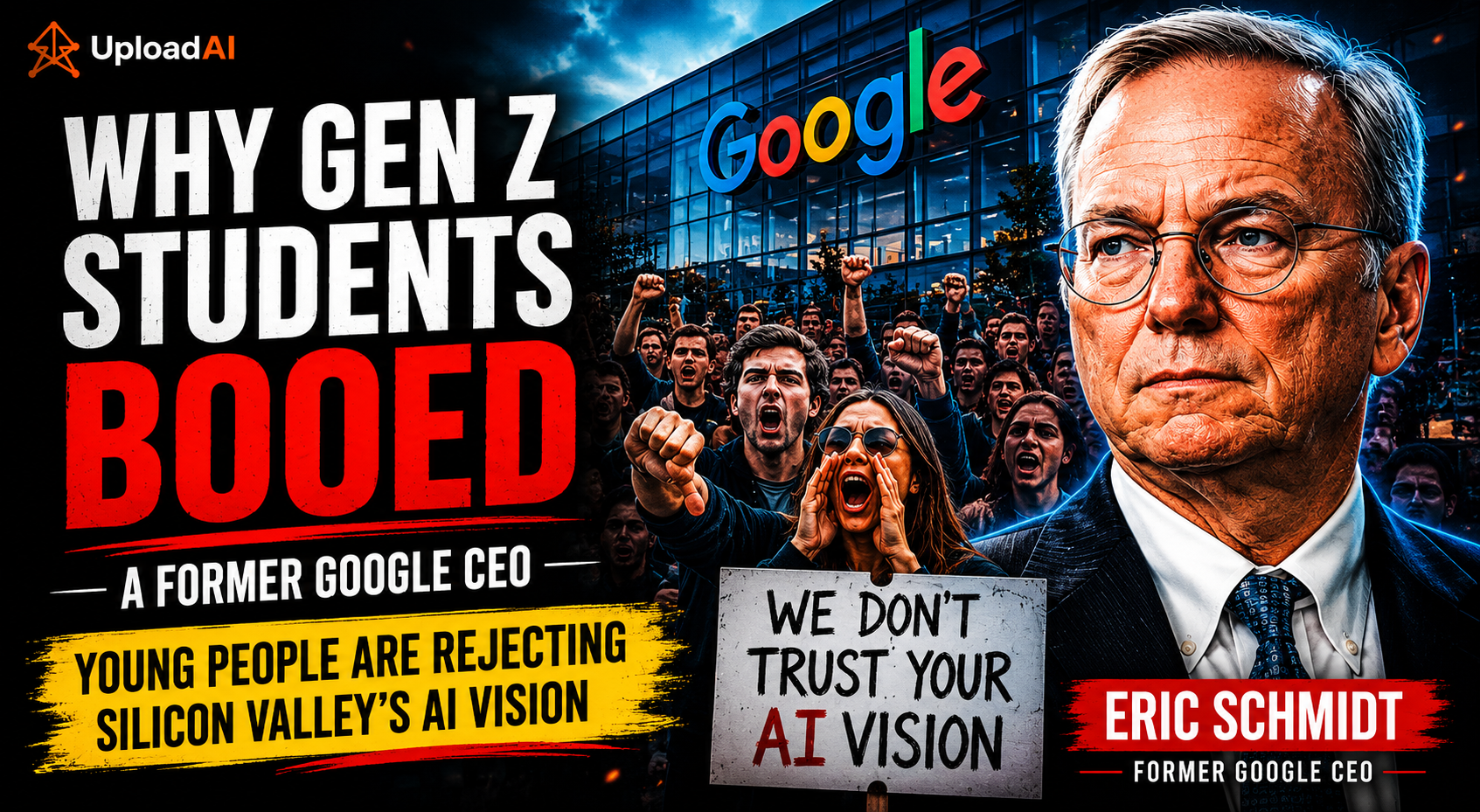
When former Google CEO Eric Schmidt mentioned AI during a graduation speech, Gen Z students started booing him live on stage. But this wasn’t just about one speech or one tech leader. It revealed something much deeper: a growing fear that AI, Silicon Valley, and the people building the future no longer represent the interests of ordinary young people. From job insecurity and AI anxiety to distrust toward tech billionaires, this article explores why an entire generation is beginning to question the future being created for them.
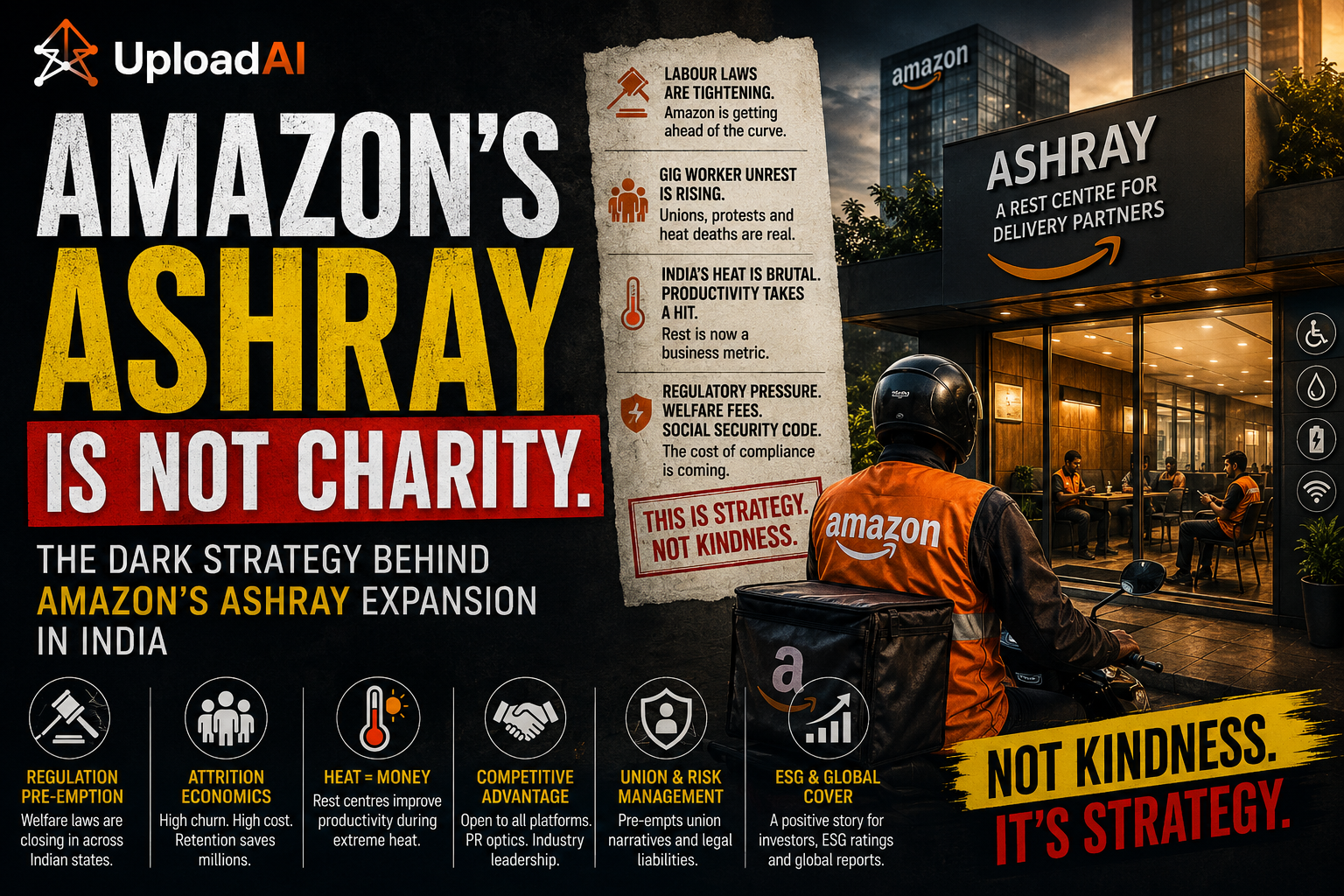
Amazon says Ashray is about helping delivery workers survive India’s brutal heat. But behind the air-conditioned rest centres, free water, and welfare messaging lies something much bigger: labour laws tightening across India, rising gig worker unrest, massive delivery-worker attrition, and a corporate giant quietly protecting itself before the system forces it to. This article uncovers why Ashray may not be charity at all — but one of the smartest corporate survival strategies unfolding in modern India.
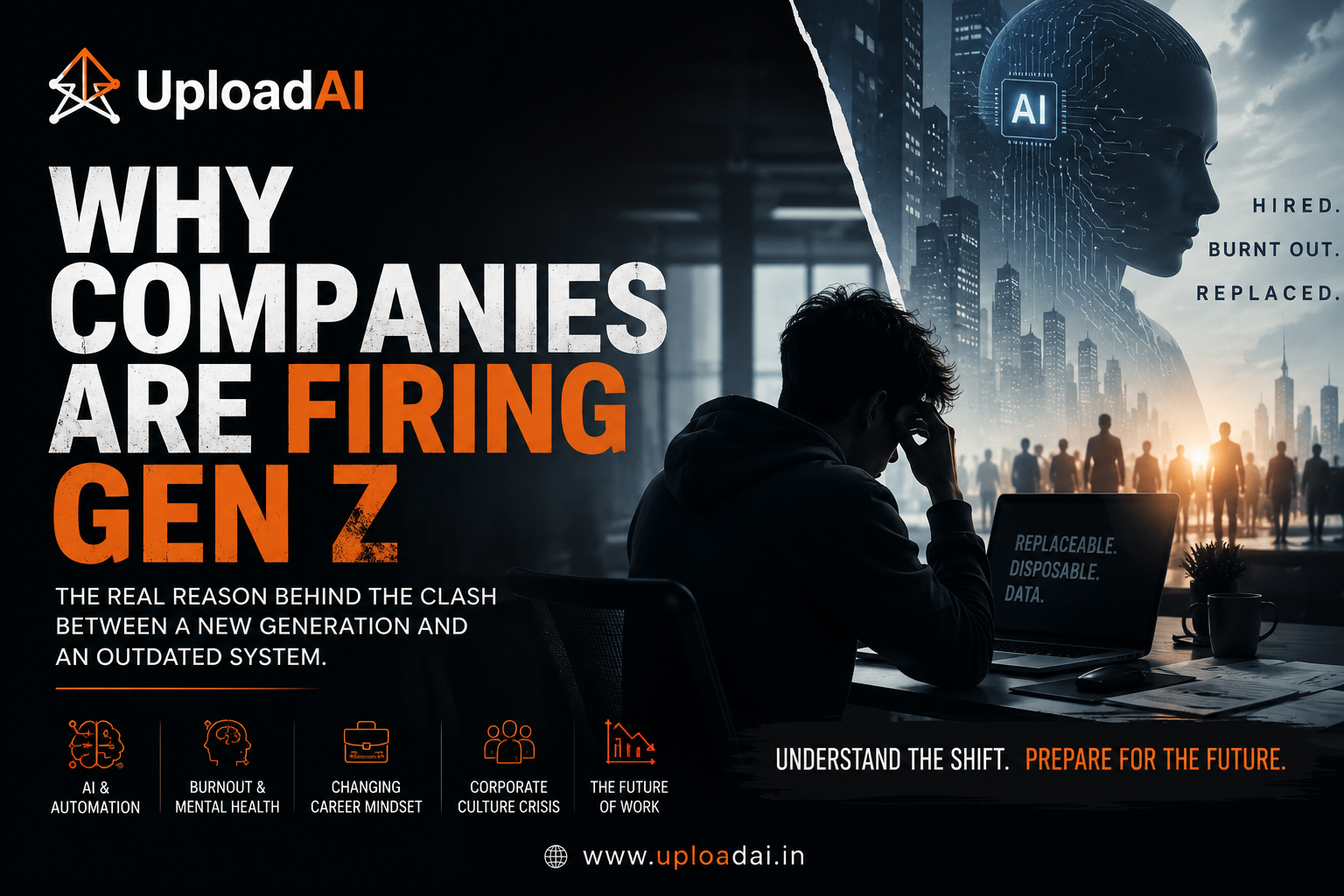
A cinematic deep dive into the growing conflict between Gen Z employees and traditional corporate culture. This blog explores how AI, automation, social media, burnout, and changing workplace expectations are reshaping the future of work. From quiet quitting to collapsing loyalty, it uncovers why the modern workforce feels more disconnected than ever — and why the “hired and fired” era has already begun.
A plain-language tour of self-attention: why it beats recurrence for long context, what queries and keys actually do, and what limits remain.

A detailed guide for founders and operators to deploy AI agents safely, reduce manual workload, and improve customer response speed without breaking quality.

Closer to users, lower latency, and new trade-offs—what edge really means for apps built on React, APIs, and global traffic.